
By Muhamed Amin
In 1994, as part of its 40th anniversary, Sports Illustrated announced its “40 for the Ages” list of most influential figures to have significantly altered or elevated the world of sports. Legendary icons such as Muhammad Ali, Michael Jordan, Roberto Clemente, Billie Jean King and Pelé were obvious selections, not only owing to their athletic dominance on the field of play but also how they redefined their respective sporting disciplines, served as archetypes for societal change and influenced public perceptions of the modern-day athlete.
That said, the inclusion of a medical physician and educator to the list might, at first glance, have seemed peculiar. But when that individual is directly responsible for not only revolutionizing the fields of medical surgery and sports medicine but also serving as a pioneer of the Paralympic movement (in Canada and abroad) and a driving force for the inclusion of athletes with disabilities in the mainstream sporting consciousness, one quickly realizes that such an addition to this list is duly merited.
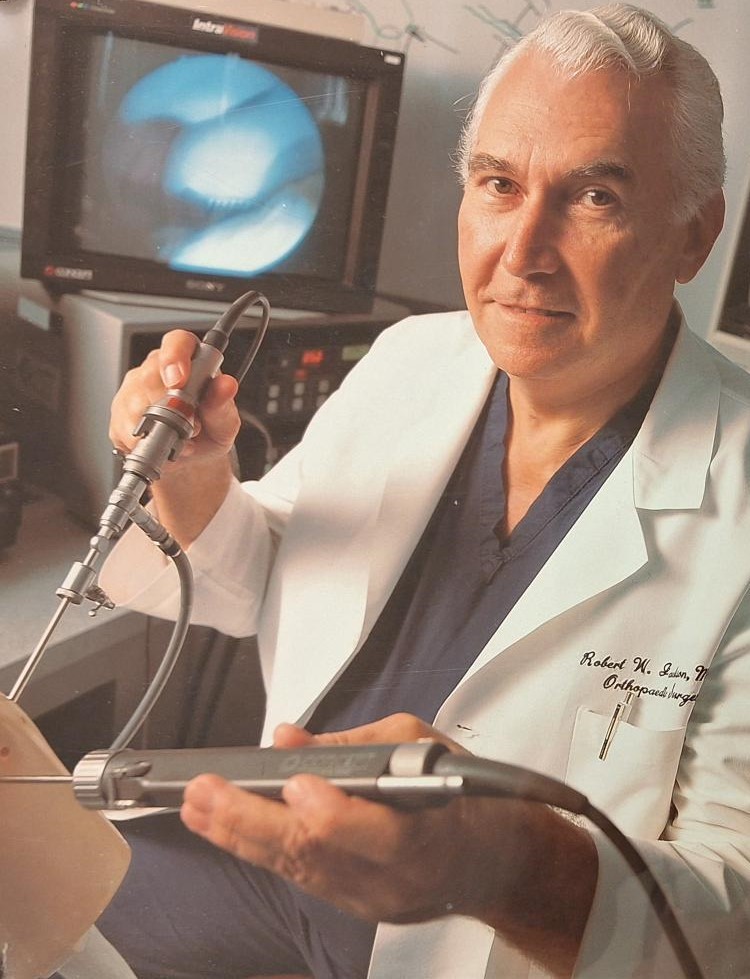
Portrait of Dr. Jackson, R17017, Vol. 29, File 1 (MIKAN 5965983). ©2024 by Danny Turner, photographer.
Born in Toronto, Ontario, in 1932, Dr. Robert W. Jackson (O.C., F.R.C.S., M.D., M.S.(Tor), F.R.C.S.(Ed), F.R.C.S.C.) graduated from medical school in 1956 and immersed himself in the field of orthopaedic surgery, not only developing his surgical and teaching skills but also expanding his research and professional interests in the realms of sports medicine and para-sports.
In 1964, while accompanying the Canadian Olympic team in Tokyo, Japan, he met Dr. Masaki Watanabe, Director of Orthopaedic Surgery at Tokyo Teishin Hospital, who had developed the first applied arthroscopic tool for surgery. Under his tutelage, Dr. Jackson learned about the arthroscopic instruments themselves and how to apply minimally invasive techniques during surgical procedures.

Dr. Masaki Watanabe/early model of arthroscopic instruments, R17017, Vol. 20, File 24 (MIKAN 5966007).
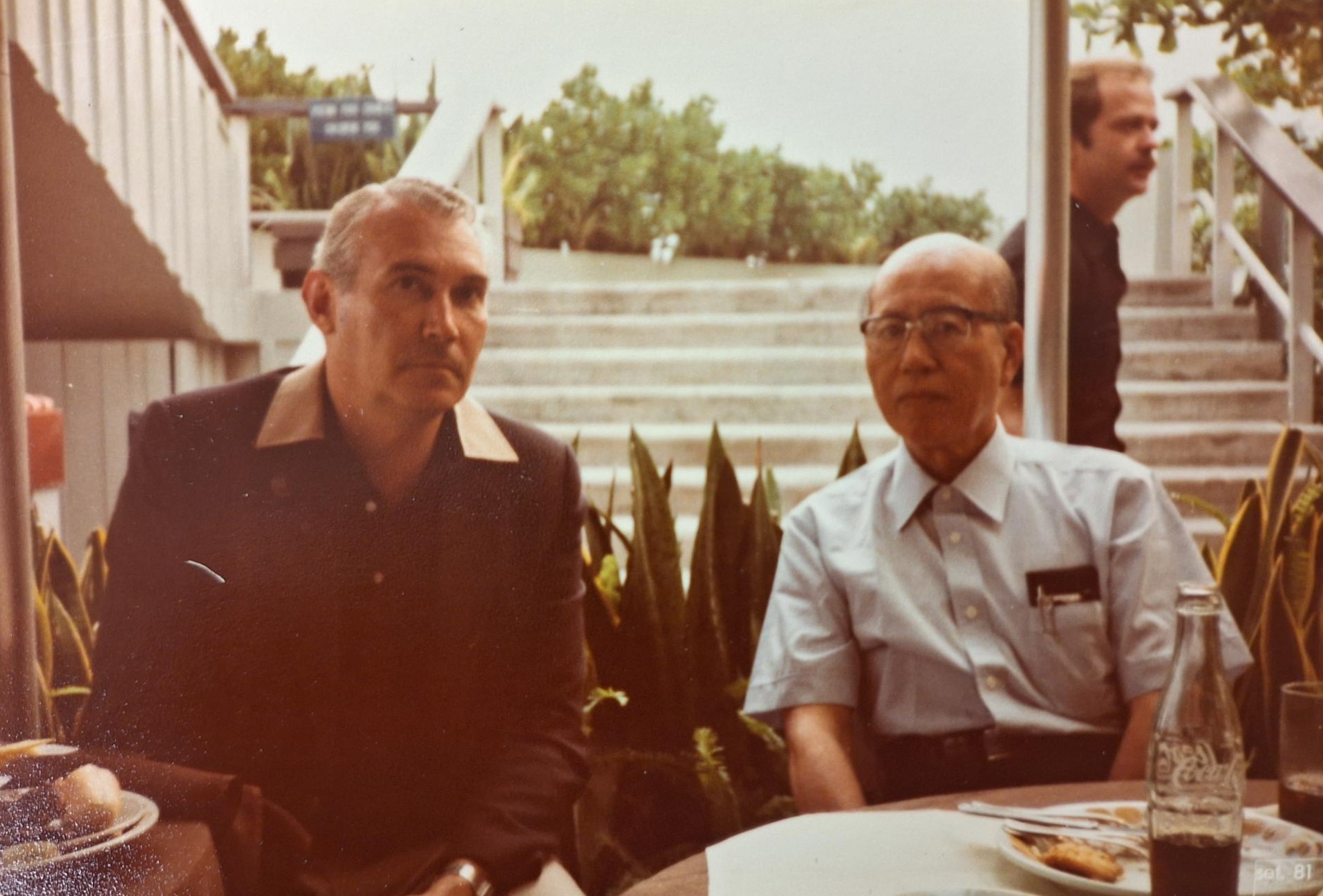
Dr. Jackson (left) with Dr. Masaki Watanabe, R17017, Vol. 20, File 24 (MIKAN 5966007).
Eager to discover more about this innovative approach to surgery, Dr. Jackson continued his research upon his return home and soon introduced the arthroscopic method into mainstream North American surgical methodology. This groundbreaking practice is widely credited for being one of the most significant advances in orthopaedics of the 20th century, a feat that not only served as the catalyst for improvements in all other branches of surgery but revolutionized the field of sports medicine as well.

Dr. Jackson performing arthroscopic surgery, R17017, Vol. 21, File 1 (MIKAN 5966007).
Although Dr. Jackson was internationally distinguished for his proficiency as a surgeon, not to mention his dedication to teaching and his vast contributions to the scientific literature, his passion for sport was equally inspiring. He is credited with having radically transformed the rehabilitation process and treatment of sport-related injuries for both amateur and professional athletes, not only owing to his efforts to develop sport and recreation medicine facilities for the public but also due to his work with professional athletes in various sports such as football, basketball and athletics.
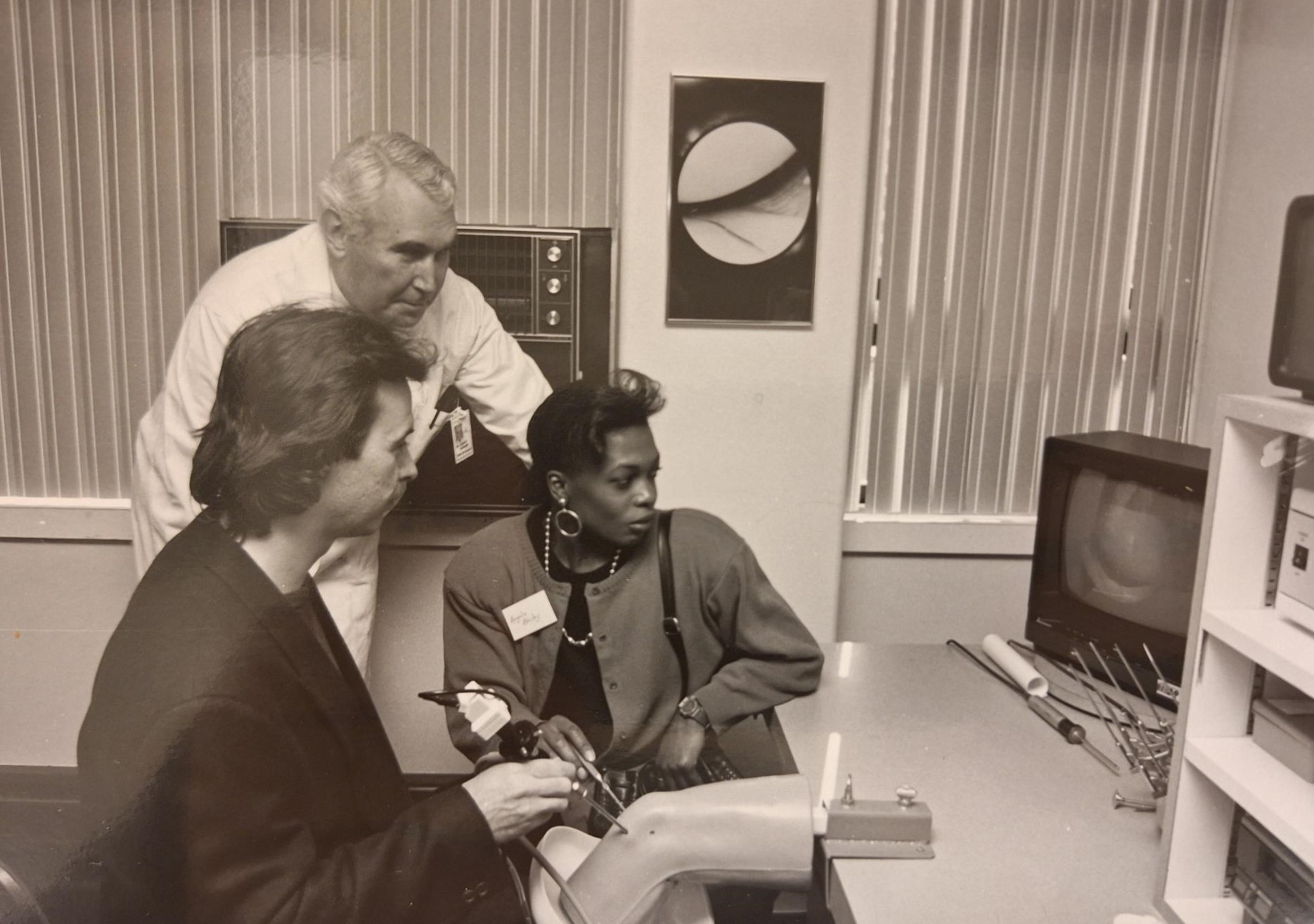
Dr. Jackson with former Canadian Olympic sprinter Angela Bailey (right) at the Arthroscopy Learning Centre, R17017, Vol. 20, File 24 (MIKAN 5966000).

Dr. Jackson (left) as team physician for the Toronto Argonauts of the Canadian Football League (CFL), R17017, Vol. 21, File 9 (MIKAN 5966007).
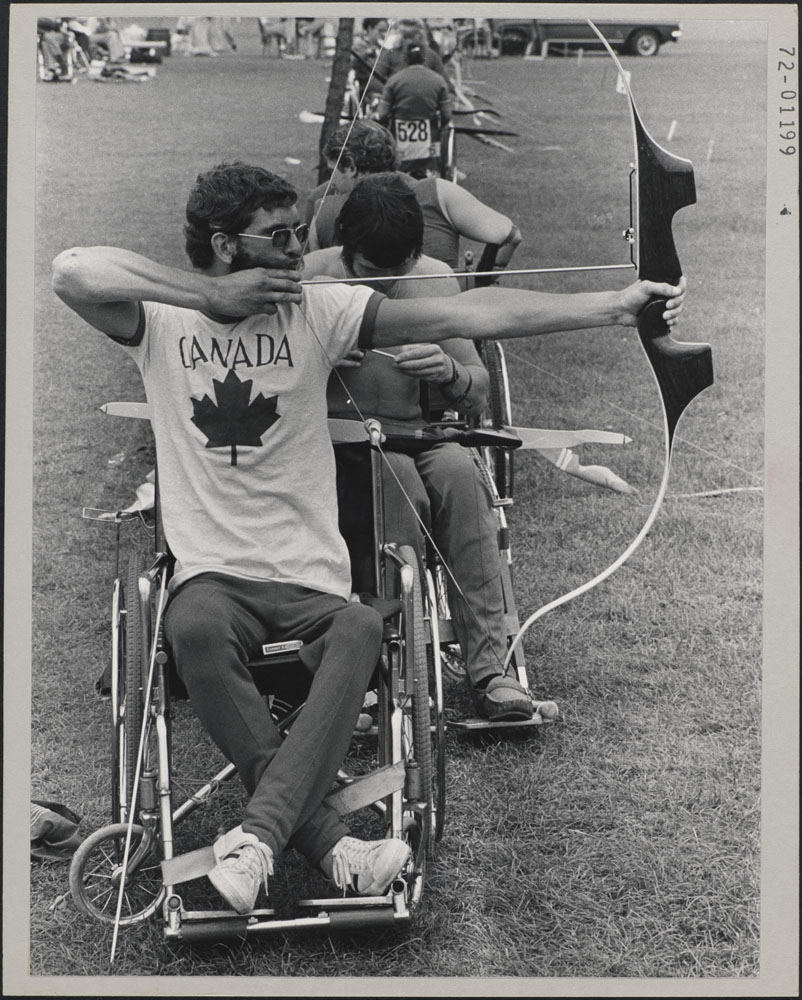
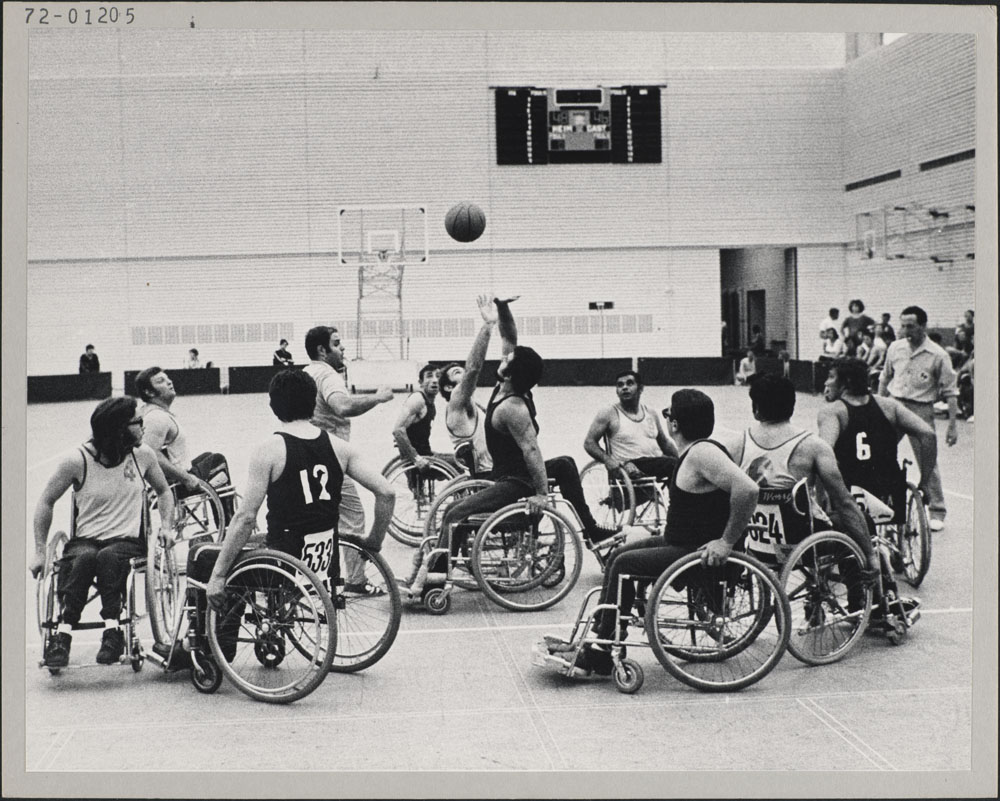
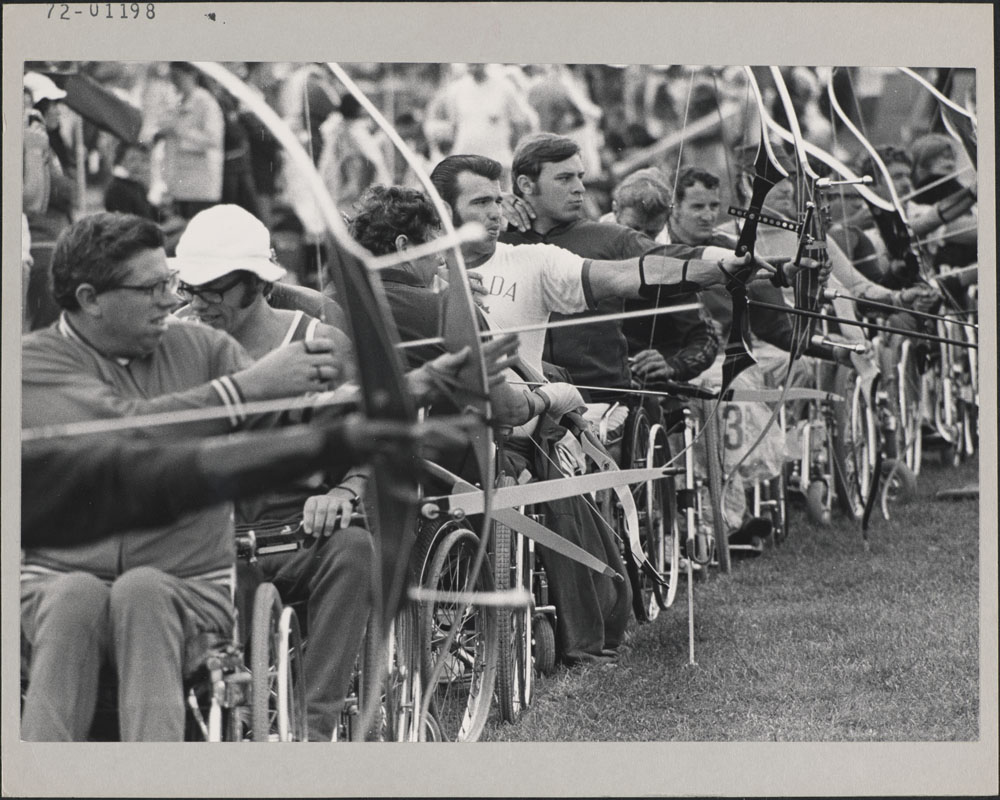
Often referred to as the founding father of the Canadian Paralympic movement, Dr. Jackson’s dedication, commitment and support for athletes with disabilities, including his focus on developing para-sports, were immense. As the founder and first president of the Wheelchair Sports Association of Canada (1967), he took the first Canadian wheelchair team to the International Paraplegic Games in 1968.
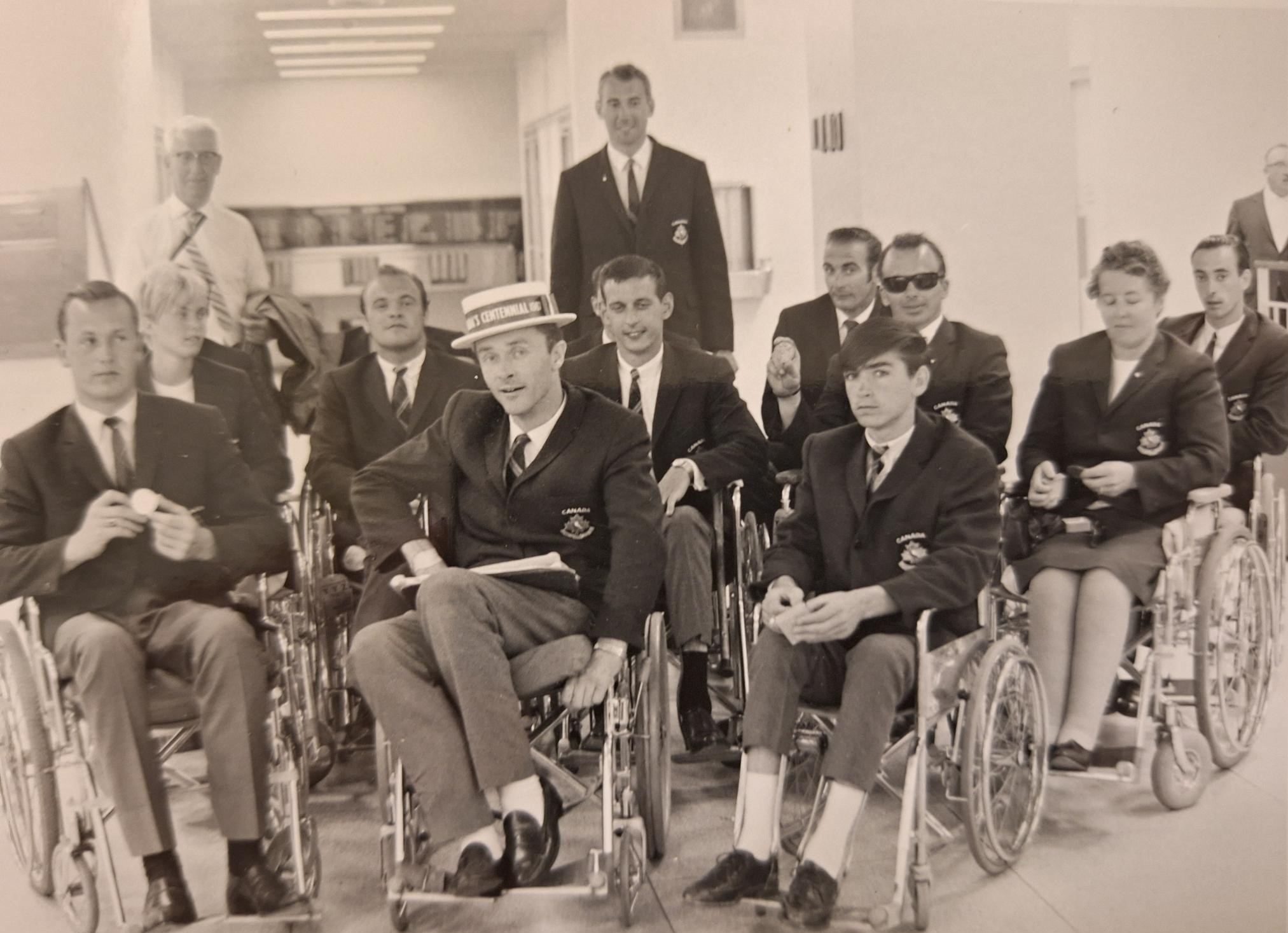
Dr. Jackson (back row – middle) with members of the Canadian Paralympic team at the 1966 Stoke Mandeville Games, R17017, Vol. 21, File 5 (MIKAN 5966010).
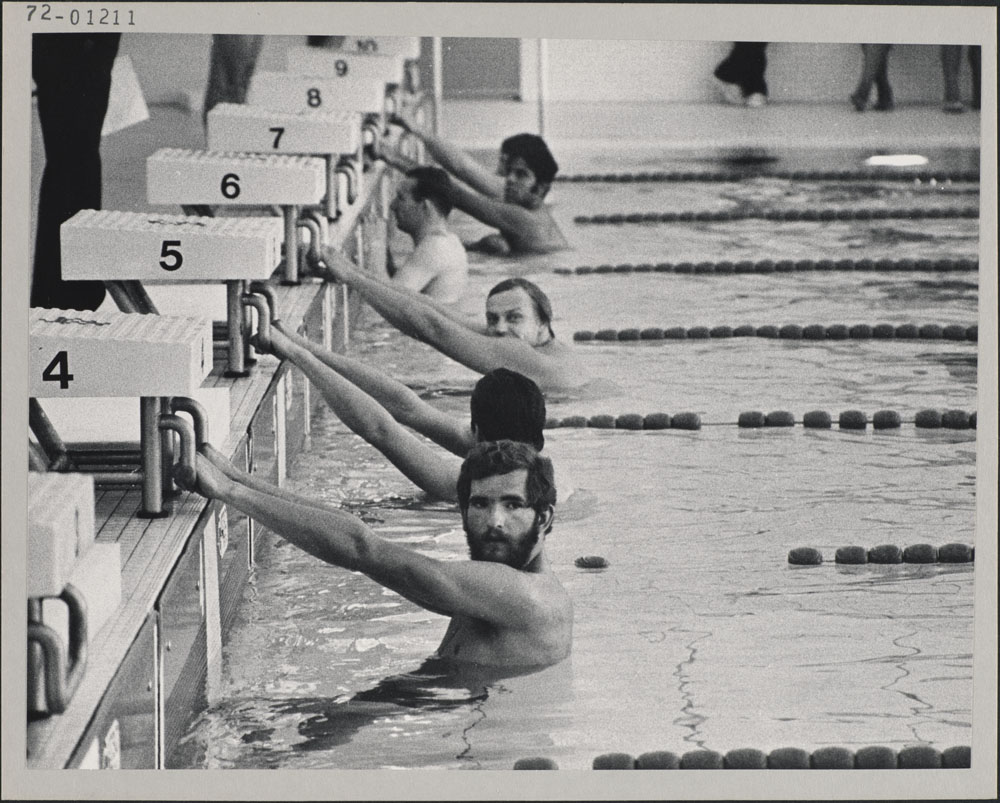
His work with the International Stoke Mandeville Games—the international governing body for wheelchair sport (and precursor to the Paralympic Games)—led him to organize and preside over the first Olympiad for the Physically Disabled held in North America (Toronto, Canada) in 1976, an event that brought together paraplegic, amputee and blind athletes from around the world.

On the left: 1976 Toronto Olympiad medal certificate, R17017, Vol. 12, File 11 (MIKAN 5966009). On the right: 1976 Toronto Olympiad Program; Admission tickets; Crest, R17017, Vol. 12, File 18 (MIKAN 5966009).

1976 Toronto Olympiad “Everyone Wins” commemorative medal, R17017, Vol. 32, File 4 (MIKAN 5966009).
Dr. Jackson was also responsible for the inclusion of several events as part of the Paralympic Games, most notably wheelchair racing (1500m for men, 800m for women) and blind and amputee skiing, which became regular events at the summer and winter iterations of the Games. Their additions emerged as a result of direct negotiations between Dr. Jackson and then-President of the International Olympic Committee (IOC) Juan Antonio Samaranch. In 1997, Dr. Jackson was presented with the Olympic Order (the highest recognition given by the IOC) for radically altering the treatment of athletic injuries worldwide and for the promotion and development of sport for athletes with disabilities at the international level, an achievement that also led to him receiving the Paralympic Order a decade later.

Dr. Jackson (middle), accompanied by his wife Marilyn Jackson (right) and former president of the IOC Juan Antonio Samaranch (left) after receiving the Olympic Order in 1997, R17017, Vol. 20, File 30 (MIKAN 5966010).
Dr. Jackson’s numerous accolades speak for themselves: among the more prominent ones, he was inducted into the American Orthopaedic Society for Sports Medicine Hall of Fame (2005), appointed to the Order of Canada (1997), posthumously inducted into the Canada Sports Hall of Fame (2017), and recognized by the IOC with the aforementioned Olympic (1997) and Paralympic (2007) orders.
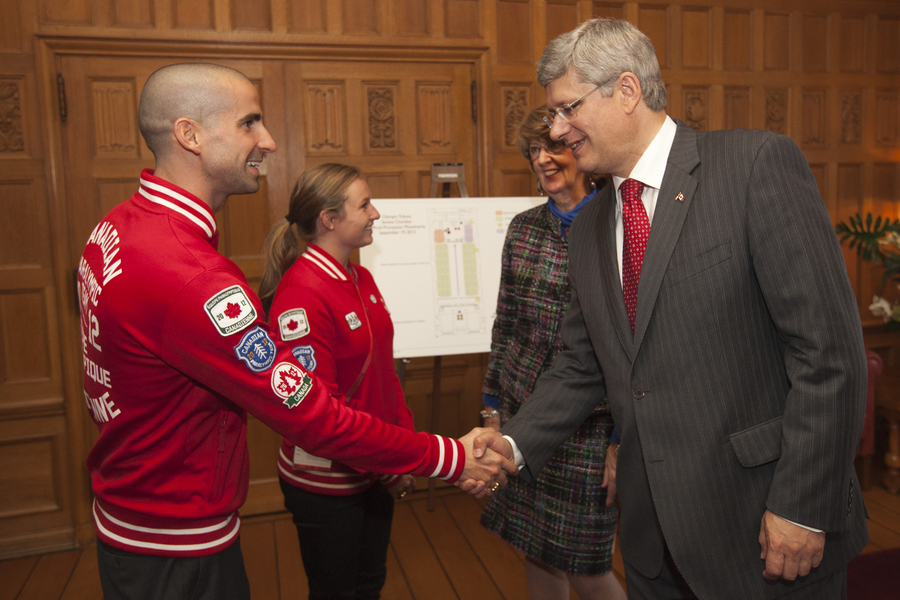
But despite all the awards and honours, what really stands out is the legacy that Dr. Jackson left, one that can most aptly be defined by the great impact that he had on people. These include the patients that he healed, the medical community who benefitted from his research and medical advances, athletes whose sporting careers were prolonged thanks to his contributions to the development of sports medicine and rehabilitation, and athletes with disabilities who now share the spotlight with their peers on the international stage at events like the Olympic Games.

On the left: Dr. Jackson (top left) with Rick Hansen (bottom left) at the Rick Hansen charity dinner, R17017, Vol. 20, File 34 (MIKAN 5966010). On the right: Dr. Jackson (left) with former Canadian Paralympian and current Senator Chantal Petitclerc, R17017, Vol. 20, File 32 (MIKAN 5966010).
As a pioneer of arthroscopic surgery and founding father of the Canadian Paralympic movement, Dr. Jackson had a profound impact on both medicine and sport in Canada and abroad, cementing his status not only as a Canadian icon but as one equally deserving of being recognized among the highest echelon of influential figures to have significantly altered or elevated the world of sports.
Muhamed Amin is the Sport & Leisure Archivist in the Private Archives Division at Library and Archives Canada.
 Library and Archives Canada Blog