
As part of its commemoration of the centenary of the First World War, over the next three years we will profile each of Canada’s Victoria Cross recipients. Each profile will be published on the 100th anniversary of the day that the actions for which the recipient was awarded the Victoria Cross took place.
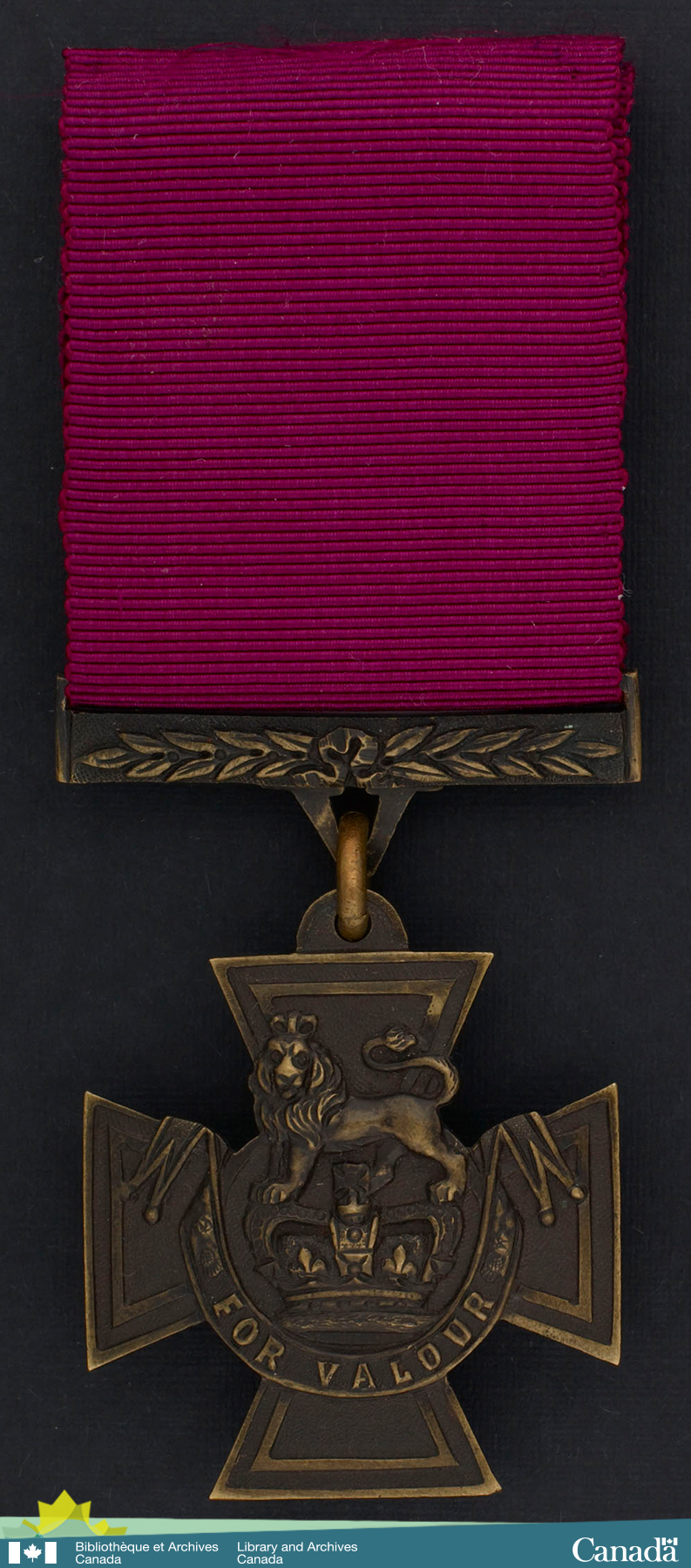
The Victoria Cross (MIKAN 3640361)
The Victoria Cross (VC) is the highest military decoration in the Commonwealth and takes precedence over all other medals, decorations and orders. A recognition of valour in the face of the enemy, the VC can be awarded to a person of any rank of military service and to civilians under military command. So far, 98 Canadians have been awarded the Victoria Cross, beginning with Alexander Roberts Dunn who in 1854 fought in the Battle of Balaclava in the Crimean War. The Victoria Crosses were awarded to 71 Canadian soldiers during the First World War, and 16 were awarded during the Second World War. The remaining VCs were awarded to Canadians for the Indian Rebellion of 1857 (in which William Hall of Nova Scotia became the first-ever black recipient of the VC) and the South African War (1899–1902).
In 1993, the Canadian Victoria Cross was adopted in place of the British VC. The medal is identical to the British VC but the inscription is in Latin—Pro Valore—a linguistic ancestor to both English and French. The Canadian Victoria Cross has yet to be awarded.
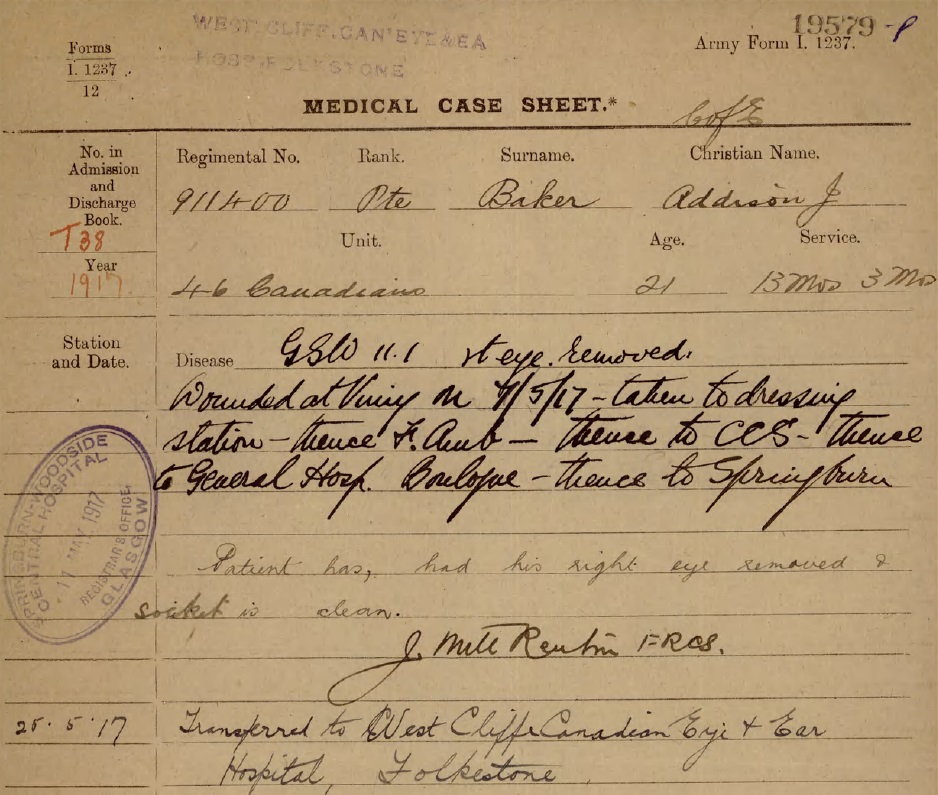
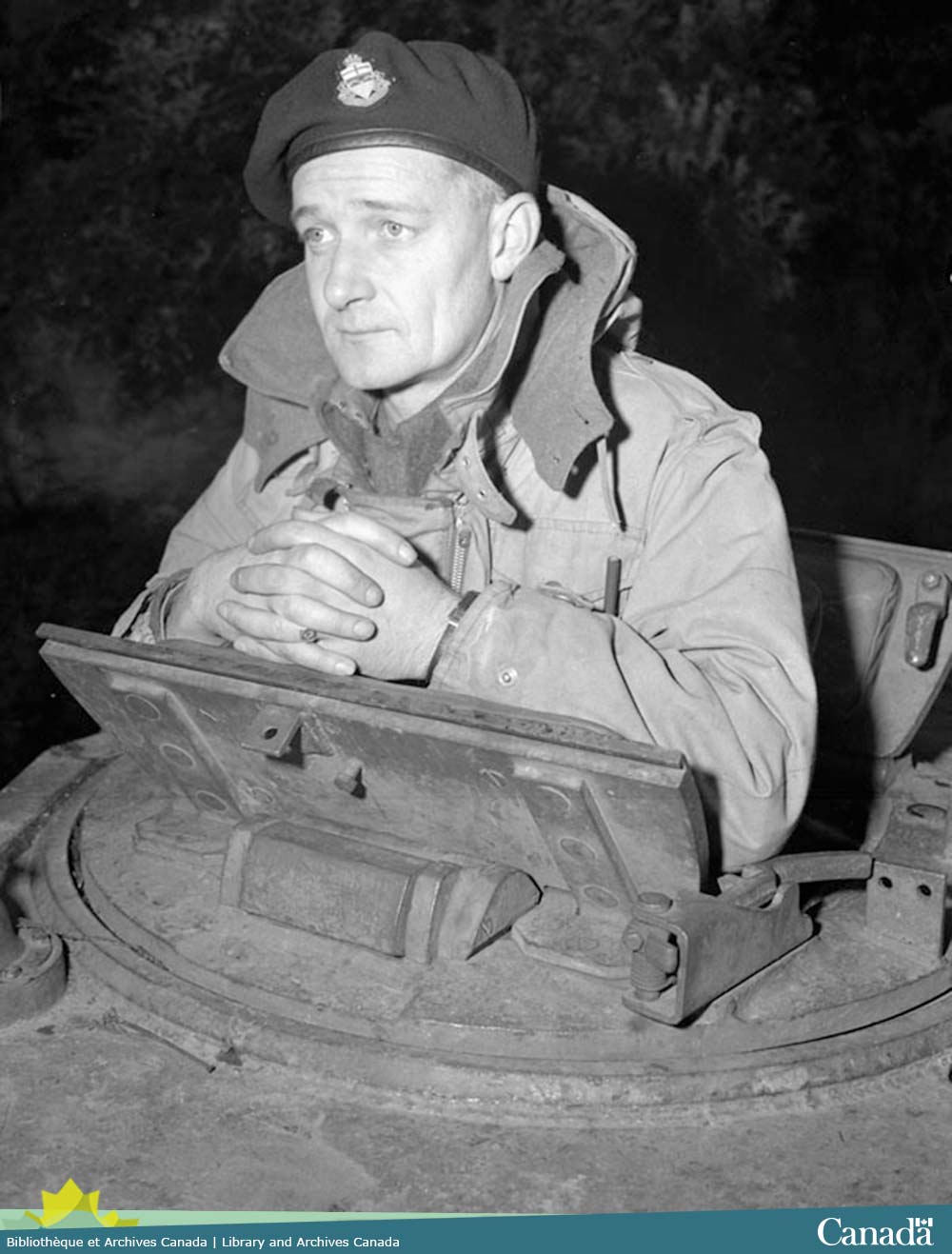
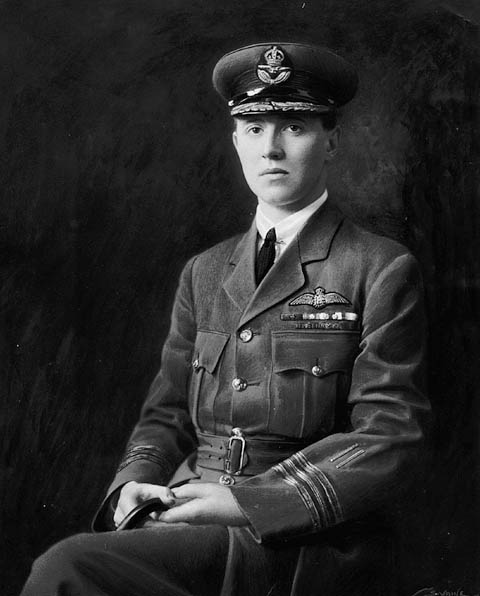
The profile series will also include links to photographs, service papers, war diaries, and other digitized artifacts in Library and Archives Canada’s collections that help to tell the stories of the Canadians who experienced the Great War on many fronts, including the home front, and whose actions and memories shape how contemporary Canadians remember and understand the first truly global conflict.
We will begin our First World War Victoria Cross profiles with Lance-Corporal Frederick Fisher.


 Library and Archives Canada Blog